

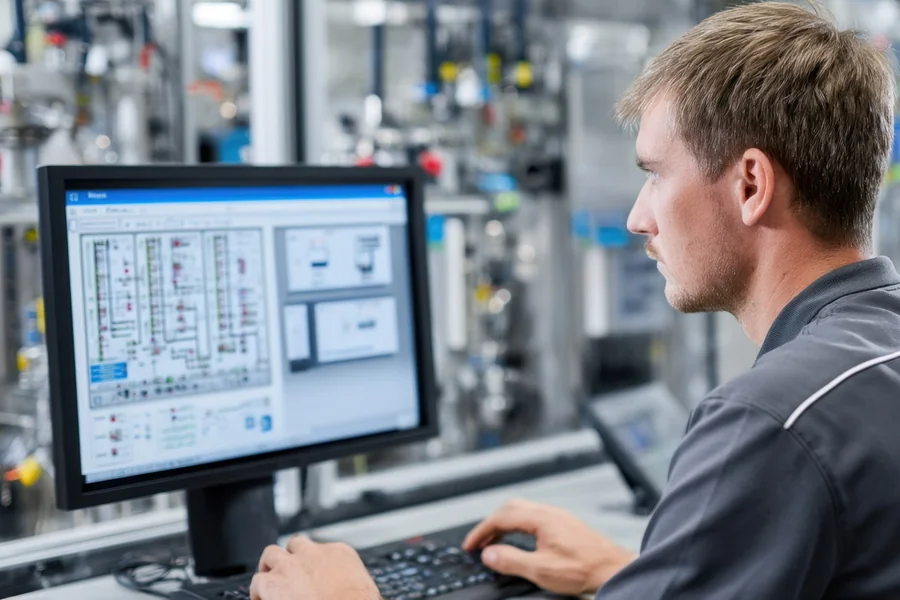
American factories hum with activity that goes beyond what workers can see. Machines talk to each other through wireless signals. Computers make split-second decisions about production speed. Software quietly adjusts processes while assembly lines keep rolling. This digital shift changes how manufacturers stay competitive without most people noticing the transformation happening.
The Smart Factory Floor
Robots work alongside humans in most factories these days. But the real action happens in the data streams between equipment. Arms that weld car frames slow down if paint booths back up down the line. Packaging machines pause when labeling stations fall behind. Cameras catch tiny scratches or dents, pulling bad parts off belts before more work gets wasted on them.
Little sensors hide inside motors and gears everywhere. They feel heat building up. They hear bearings starting to squeak. They notice vibrations getting stronger over time. According to the experts at Blues IoT, this IoT connectivity for manufacturing lets mechanics swap parts on quiet Sundays instead of dealing with emergency shutdowns during busy periods. That grinding noise that might spell disaster next week? Fixed during lunch break today.
Patterns pop out from all these measurements. Maybe the stamping press works great until Thursday afternoons, then slows by 3%. Perhaps humid mornings cause more rejects than dry ones. Could be the night shift produces fewer errors when lights stay brighter. Managers tweak settings based on actual numbers instead of gut feelings.
Transforming the Supply Chain
Materials travel complicated paths from mines and farms through processing plants to factory doors. Now every box and barrel carries tags that shout their location to nearby receivers. Delivery trucks beam their positions back to dispatchers every few minutes. Forklifts in warehouses remember which bin holds which batch of steel or plastic pellets.
Smart software goes beyond tracking to predicting. Programs crunch last year’s sales figures against this month’s trends and next season’s forecasts. They warn purchasing departments to order extra aluminum in March for summer’s expected rush. They tell shipping managers to book more trucks for the holiday push starting in October. Surprises become rare when algorithms spot patterns humans miss.
The Human Element Evolves
Jobs change shape as computers take over boring, repetitive stuff. People who once counted boxes now monitor screens showing inventory levels across three states. Folks who checked every widget by hand supervise cameras doing that same inspection a hundred times faster. Repair crews study tablet readings about machine health rather than waiting for something to break.
Schools and training centers scramble to keep up. Fresh graduates learn coding basics along with wrench-turning skills. Veterans head back to classrooms to understand networking and data analysis. Everyone needs tech knowledge plus practical experience now. The person fixing your production line might debug software before grabbing any tools.
Challenges and Opportunities
Modernizing costs serious money upfront. Thirty-year-old presses might run forever but can’t send data anywhere. Smaller operations watch bigger competitors pull ahead while struggling to finance upgrades. Each month of delay means falling further behind rivals who switched to digital controls last year.
Hackers love targeting connected factories. One successful attack might stop production for days. Security teams work overtime protecting systems from criminals halfway around the globe. Finding the sweet spot between open access for workers and locked-down protection against intruders keeps IT departments busy constantly.
Conclusion
Manufacturing looks nothing like it did twenty years ago. Invisible conversations between machines coordinate complex operations smoothly. Problems get solved before they cause trouble. Supply chains flex and adapt based on conditions changing minute by minute. People and tech have distinct roles. Factories that ignore these advances risk irrelevance while others race ahead using every digital advantage available.
